A checklist is only as good as the source it came from. Most pilots fly with one built for a model, not for the airplane they actually sit in, with its own POH revision, serial range and installed equipment.
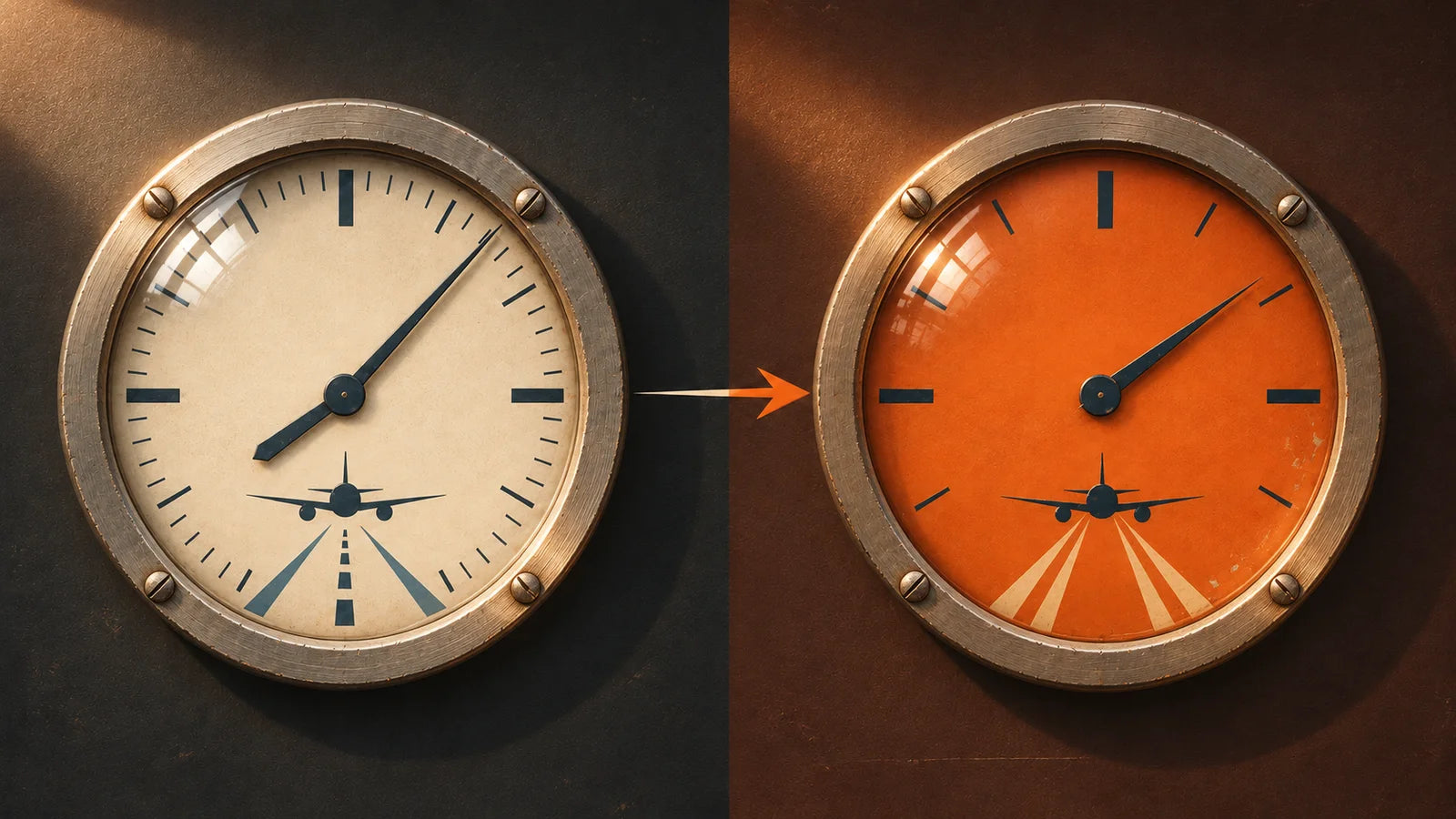
When we started PreFlightGear, every checklist was mapped by hand. One aircraft took us five to six hours or more. Today the same work takes minutes, and the result is more accurate, not less. This is the story of how we got there.
Where we started: one checklist, one long afternoon
Our first checklists were built line by line. We read the Pilot's Operating Handbook for one aircraft, mapped every procedure into a logical flow, and checked each item against the source by eye.
It worked, but it was slow. A single aircraft took five to six hours or more, and most of that time was not writing. It was finding the right source, confirming it matched the airplane, and going back to check the details again.
That told us where the real problem was. Writing a checklist is easy. Proving every line belongs to your exact aircraft is the hard part.
Closing the loop
Our goal was simple: shorten the distance between finding the data and proving it is right. Every hour saved there is an hour we can spend making the checklist better.
So we broke the work into one repeatable loop:
- Source. Start from the tail number and find the handbook that matches the model, serial range and revision.
- Extract. Pull every procedure out of the handbook in its original order, word for word.
- Check. Run automated checks for missing steps, wrong values and anything that drifted from the source, then a second independent review.
- Validate. A pilot reads the result against the handbook and signs off before anything is printed or delivered.

Each turn of the loop teaches us something. When a check catches an error, we fix the rule that let it through, so the same mistake cannot happen on the next aircraft.
From hours to minutes
Today, the loop that used to take an afternoon runs in minutes. The speed did not come from cutting corners. It came from doing the slow, careful parts the same way every time, and letting a pilot spend their attention where it matters most: the final read and sign-off.
Faster also means more accurate. When checking is cheap, we check more often. Every line in the checklist can be traced back to the page it came from in your handbook.
One thing has not changed: your POH is still the final authority. Our checklists are built from it, never in place of it.
What comes next
Modern checklists are where we start. Here is where the same work can go:
- Flight schools and clubs. Mixed fleets mean every airplane is a little different. Matched checklists and training material for each tail number help students learn the airplane they will actually fly.
- Avionics upgrades. When a panel changes, the procedures change with it. We can update checklists and reference cards the moment new equipment is installed, instead of months later.
- Transition training. Pilots moving into a new type need to learn its systems and procedures fast. Study guides built from that aircraft's own handbook make that step clearer and safer.
Built for the aircraft you fly
Every airplane has its own story: the panel it left the factory with, the upgrades since, and the handbook revision in the seat pocket. A checklist should know that story.
That is what we set out to build. A checklist you can trust, because every line came from your airplane's own handbook and a pilot checked it before it reached you.
Early access opens soon. Join the list with your tail number, and we will tell you as soon as your aircraft is ready.